Understanding the Nature of Casino Games
Casino games represent a captivating intersection of chance and strategy, drawing players with the hope of victory. These games are not merely about random outcomes; they embody a complex relationship between luck and skill. The excitement of gambling often stems from the unpredictability of results—be it the flip of a card, the roll of the dice, or the spin of a wheel. Many enthusiasts also enjoy exploring online pokies real money as a way to enhance their gaming experience. While the thrill of luck is undeniable, recognizing how skill influences outcomes can enrich a player’s understanding and approach to the game.
In games such as poker and blackjack, players must employ a combination of strategic thinking, probability assessment, and psychological insight. For example, in poker, luck determines the cards one receives, but the player’s skill in betting, bluffing, and interpreting opponents’ behaviors ultimately influences the game’s outcome. Through calculated decisions and strategic plays, skilled players can significantly enhance their odds, demonstrating that while luck is a factor, skill can shape the results over time.
Conversely, games like slots and roulette rely predominantly on luck, with outcomes that are entirely random and unaffected by player decisions. Each spin or roll is independent, and players have no influence over where the ball lands or which symbols align. This critical distinction in game dynamics affects how players engage with them. Understanding the nature of these games helps players set realistic expectations and strategies, making for a more informed gaming experience.
The Role of Luck in Casino Gaming
Luck is often seen as the unpredictable element that can dramatically influence the outcome of a game, creating thrilling highs and devastating lows for players. In casino gaming, luck is particularly crucial in games that are entirely chance-based. For instance, in roulette, the landing spot of the ball is purely random, rendering any attempt to predict its position futile. This unpredictable nature is what makes chance-driven games so alluring to many, as each round brings the possibility of unexpected fortune.
The psychological aspect of luck can amplify the gaming experience. Players often chase the notion of a ‘lucky streak,’ which can lead to heightened excitement and a desire to continue playing, even when it may not be in their best interest. This phenomenon is a significant driver for the casino industry, where tales of massive wins circulate among players, enticing others to try their luck. However, it is crucial for players to remember that luck can be ephemeral; relying solely on it can lead to substantial losses if not tempered with caution.

Moreover, casinos design their games to exploit the concept of luck. Many games have a built-in house edge that ensures the casino has the advantage over time, irrespective of the occasional player wins. For example, in keno or certain slot machines, the odds are systematically tilted against the player, meaning that even if someone enjoys a temporary win, the overall outcome is likely to favor the house in the long run. Understanding the role of luck is vital; it serves as both an exhilarating aspect of gaming and a potential pitfall for players who do not exercise responsible gambling practices.
The Importance of Skill in Certain Casino Games
While many games hinge on chance, skill plays a pivotal role in others, particularly in card games like blackjack and poker. In blackjack, players must utilize strategic thinking to make decisions on whether to hit, stand, double down, or split their hand. A solid grasp of basic strategy, which involves understanding the statistical probabilities based on the dealer’s visible card, can greatly improve a player’s winning potential. This skillful approach transforms the game from mere luck to a battle of wits, where informed decisions can significantly impact the outcome.
In poker, skill becomes even more multifaceted, encompassing game theory, psychological tactics, and mathematical analysis. A proficient player can decipher betting patterns, adjust their strategy according to their opponents’ behavior, and execute strategic bluffs that can lead to winning pots. For instance, knowledge of pot odds allows players to assess whether continuing with a hand is a sound financial decision. Thus, while luck may determine the initial hand dealt, it is skill that often dictates prolonged success in this game.
This skill-based dynamic can influence players’ preferences and engagement with different casino offerings. Many seasoned gamblers gravitate toward skill-intensive games, relishing the opportunity to apply their knowledge and experience for a competitive edge. This pursuit of skill not only fosters a community of dedicated players but also enhances the overall gaming experience, as individuals strive to refine their strategies and improve their gameplay.
Striking a Balance Between Luck and Skill
Understanding the balance between luck and skill is crucial for players as they navigate the diverse landscape of casino gaming. On one hand, luck can lead to unexpected victories that create unforgettable memories; on the other hand, skill can provide a tangible advantage, allowing players to win more consistently over time. Recognizing this balance can inform how individuals approach various games, enabling them to adopt more strategic play styles and enhancing their overall enjoyment.
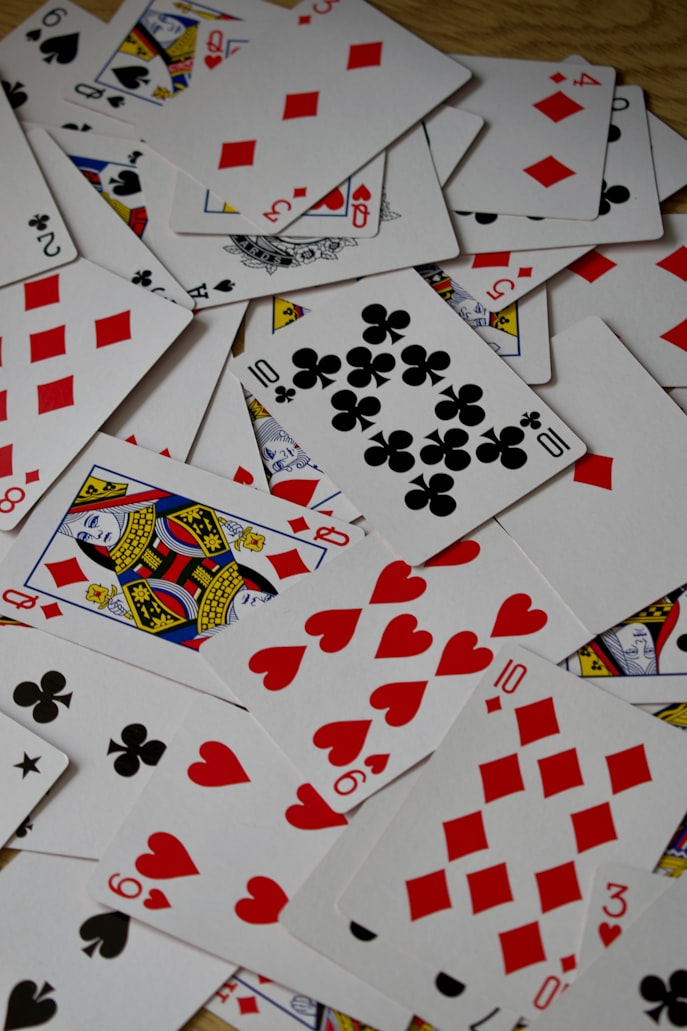
Players should cultivate the right mindset when participating in different types of games. In those heavily influenced by luck, such as slots or roulette, the focus should be on enjoying the experience and accepting that losses are an inherent part of the game. Conversely, in skill-based games like poker and blackjack, players should invest time in learning the rules and refining their strategies. This mindful engagement can lead to a more rewarding experience, fostering both enjoyment and better management of one’s bankroll.
Ultimately, the interplay between luck and skill should be viewed not as opposing forces but as complementary elements of casino gaming. While luck can deliver exhilarating moments of triumph, skill provides a pathway for a more informed and responsible approach to gambling. By understanding how to harness both aspects, players can navigate the world of casinos with greater awareness and intention, enriching their overall gaming experience.
Exploring More About Casino Gaming
Gaining insight into the role of luck versus skill in casino gaming equips players with the knowledge to navigate their experiences more effectively. For those eager to delve deeper into this captivating world, numerous resources are available online, offering strategies, game mechanics, and responsible gambling tips. This knowledge empowers players to make informed decisions and fosters a better understanding of the games they choose to engage with.
Additionally, immersing oneself in communities centered around casino gaming can enhance the experience. Engaging with fellow players allows individuals to share strategies, experiences, and insights, which can deepen their understanding of the games and elevate enjoyment. Whether through online forums, social media groups, or local gaming clubs, connecting with other enthusiasts provides valuable perspectives and support on the journey through casino gaming.
The combination of luck and skill makes casino gaming an intriguing pursuit. Players who invest time in understanding both elements can cultivate a more enjoyable and potentially rewarding experience. With a balanced approach, individuals can appreciate the excitement that luck brings while honing their skills to become more proficient gamblers, striking a harmonious balance in the vibrant world of casinos.